
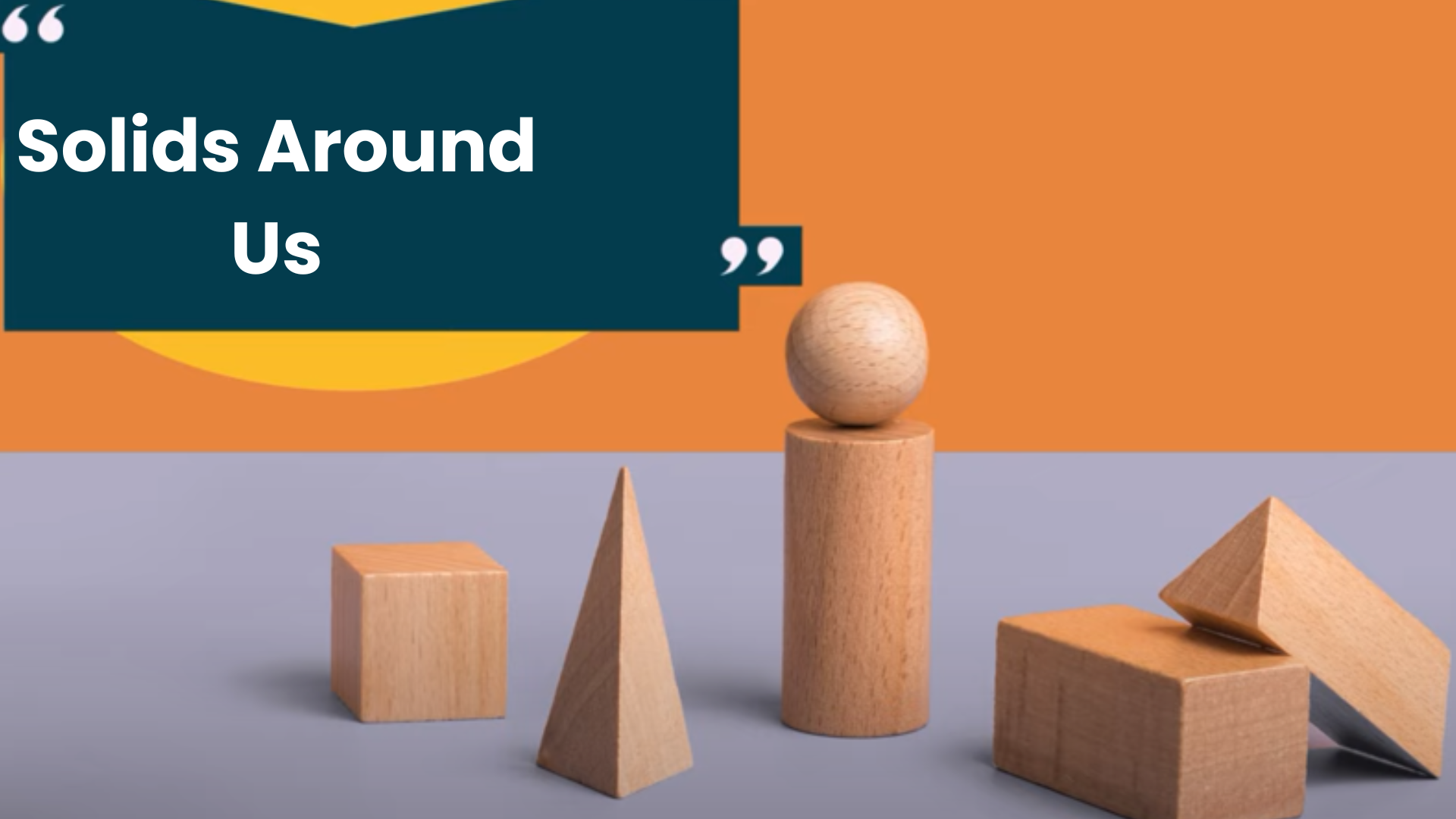
Hello there, little explorers! Have you ever looked around your home or classroom and noticed how many different shapes things come in? That box of crayons? A rectangle! Your ball? A circle! Shapes are all around us — and today, we’re going to have fun discovering them. Let’s go on a shape hunt together, shall we?
Grouping Shapes: Who Looks Like Who?
Just like friends who wear matching clothes to a party, objects with the same shape can be grouped together. Look at a dice, a gift box, and a cube-shaped eraser—don’t they all look alike? That’s because they share the same shape!
Try this: Take a walk around your room. Can you find 3 things that look like a ball? How about something that looks like a box? Grouping shapes helps us understand how things are made and how they move!
How Do Shapes Move?
Have you ever pushed a ball and seen it roll across the floor? Now try pushing a box. What happens? It slides, right?
Here’s the cool part:
- Round shapes like spheres (balls) roll easily. That’s why wheels are round!
- Flat shapes with edges like cubes or books slide. That’s why your lunchbox stays put unless you give it a push.
So next time you play with your toys, take a moment to notice how their shape decides how they move. Fun, isn’t it?
Let’s Meet Some Flat Shapes
We also see shapes on flat surfaces — like on paper, walls, or your drawing book.
Here are some of our shape friends:
- 🔴 Circle – It’s round, like a coin or a bangle.
- 🔺 Triangle – Has three sides. Think of a slice of pizza!
- ⬜ Square – Four equal sides. Like a windowpane.
- ▭ Rectangle – Two long sides and two short sides. Just like your notebook!
These shapes don’t roll or slide — but they help us draw, build, and decorate.
Let’s Draw Together!
Now that we know our shape friends, let’s draw them! You don’t need a scale or any tools. Just take a pencil and try drawing:
- A circle (go round and round)
- A triangle (three sides, pointy top!)
- A square (four equal sides — like a box)
- A rectangle (like a door — tall or wide)
Remember, it’s okay if it’s not perfect. What matters is you’re trying — and learning with each line!
FAQs:
Q: Why do balls roll but boxes don’t?
A: Great question! Balls are round all over, so they don’t have any flat edges to stop them. Boxes have flat sides, so they just slide instead.
Q: Can shapes be both flat and solid?
A: Oh yes! A solid shape like a box has flat surfaces called faces, and those faces are flat shapes — like rectangles or squares.
Q: Why do we need to learn shapes?
A: Because shapes are everywhere! They help us recognize things, build things, and even solve puzzles. Architects, artists, and engineers all use shapes every day.
Q: What if I can’t draw the shapes neatly?
A: That’s totally okay! What matters is trying. Every time you practice, you get a little better. Just keep going — you’re doing amazing!
Take assessment:
1. Oral Questions (Great for classroom interaction)
These help build confidence and improve speaking skills.
- What shape is your water bottle? Does it roll or slide?
- Can you name four flat shapes?
- Which objects at home are round like a ball?
- What happens when you push a ball? Why?
- Can you tell me the difference between a square and a rectangle?
2. Picture-Based Questions
Use visuals or real-life objects for these.
- Look at this picture. Which objects are the same shape?
- Point to the shape that can roll.
- Which of these objects can slide? Circle them.
- Match the object to its shape (e.g., ball → circle, dice → cube).
- Colour all the triangles in this image red.
3. Drawing & Practice Questions
Encourage motor skills and shape recognition.
- Draw a circle, triangle, square, and rectangle.
- Complete the shape by joining the dots.
- Colour the shapes using the colour code: Circle – Yellow, Square – Blue, etc.
- Trace the shapes shown below.
- Draw three things you see every day that are shaped like a rectangle.
4. Sorting and Classification
These questions help them understand grouping.
- Group the following objects by shape. Which group has all circles?
- Sort the shapes into “Can Roll” and “Can Slide”.
- Circle the odd one out: ball, bottle cap, box, globe.
- Tick the shapes that are flat.
- Which of these shapes are seen on the surface of a cube?
5. Movement-Based Questions
To check their understanding of how shape affects motion.
- Which object will roll: a ball or a book?
- Why does a pencil roll but a box doesn’t?
- Find one object at home that slides and one that rolls.
- Which shapes help vehicles move? Why?
- Push this object – does it slide or roll? What shape is it?
6. Yes/No Questions
Simple and quick assessment.
- Is a square round? (No)
- Can a circle slide? (No)
- Is a triangle a flat shape? (Yes)
- Do cubes roll easily? (No)
- Does a ball have edges? (No)
7. Fill in the Blanks
Ideal for early writing practice.
- A ball is shaped like a __________.
- A __________ has four equal sides.
- A book will __________ when pushed.
- A triangle has __________ sides.
- Shapes like circles can __________.
8. Match the Following
| Column A (Objects) | Column B (Shapes) |
| Dice | Cube |
| Pizza slice | Triangle |
| Windowpane | Square |
| Clock | Circle |
| Door | Rectangle |
9. Name the Shape’ Type Questions
- What shape is a traffic sign that looks like a slice of pizza?
- What shape do you see in a coin?
- Which shape has no corners?
- Which shape has three sides?
10. True or False
- A circle has straight sides. (False)
- A square has four equal sides. (True)
- Only round objects can roll. (True)
- A triangle has four corners. (False)
- A book can roll across the floor. (False)